
- By baket11sa@gmail.com
- January 29, 2026
- Uncategorized
Services for obtaining permits for restricted goods
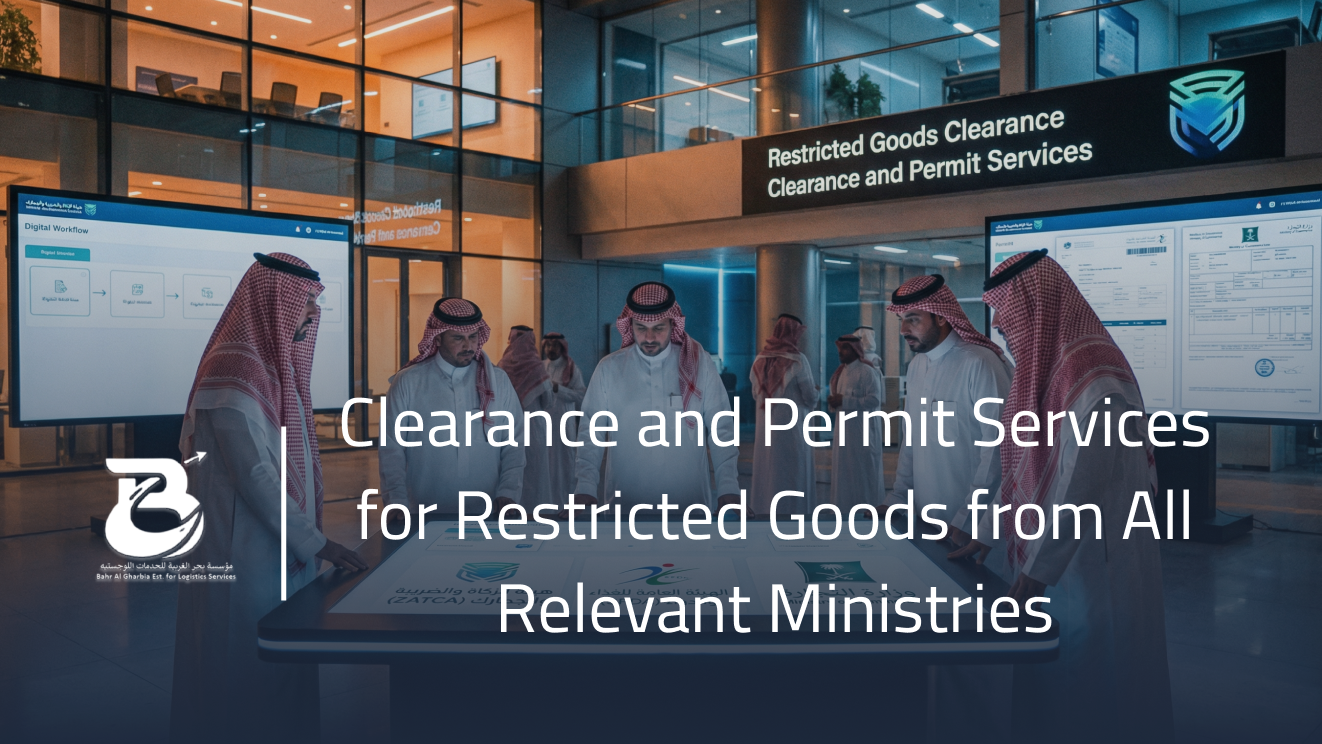
In today’s global trade environment, businesses face strict regulations when importing or exporting certain products. Clearance and obtaining permits for restricted goods play a critical role in facilitating the legal movement of goods while ensuring compliance with national and international laws. These services are especially important when dealing with restricted goods, which require special approvals before they can enter or leave a country.
Understanding the processes involved, the platforms used, and the rules governing restricted goods is essential for importers, exporters, and logistics professionals. This guide provides a complete overview of clearance and permit services, answers the key questions: “What is the platform for releasing restricted goods?” and “What are restricted goods?”, and explains how businesses can navigate regulatory requirements effectively in WSL
What Are Clearance and Permit Services?
Clearance and permit services refer to the administrative processes and regulatory approvals required to legally import, export, or transport goods that fall under special control. These services ensure that shipments comply with the laws set by customs authorities, trade regulators, and other government agencies.
Key functions of clearance and permit services include:
- Customs Clearance: Facilitating the legal release of goods through customs checkpoints.
- Permit Issuance: Providing necessary permits for restricted or regulated items.
- Documentation Management: Preparing and submitting documents such as commercial invoices, certificates of origin, and permits.
- Regulatory Compliance: Ensuring that shipments meet all national and international trade regulations.
- Coordination with Authorities: Acting as an intermediary between businesses and regulatory agencies.
By using professional clearance and permit services, businesses can reduce delays, avoid fines, and ensure smooth trade operations.
What Are Restricted Goods?
Restricted goods are products that cannot be freely imported, exported, or transported without special permission from relevant authorities. These goods are controlled due to safety, security, health, or environmental concerns.
Common Categories of Restricted Goods
- Hazardous Materials: Chemicals, flammable liquids, explosives, and other dangerous items.
- Pharmaceuticals and Medical Equipment: Certain medications and devices require approval from health authorities.
- Food and Agricultural Products: Items subject to health inspections, quality standards, and quarantine regulations.
- Weapons and Ammunition: Firearms, ammunition, and related accessories are strictly regulated.
- Luxury or High-Value Items: Precious metals, gems, and rare collectibles may require special permits.
Restricted goods require careful handling and adherence to regulatory frameworks to prevent legal complications and ensure public safety.
What is the Platform for Releasing Restricted Goods?
To streamline the clearance process for restricted goods, many countries have implemented digital platforms that centralize approvals, permits, and compliance checks. These platforms allow businesses to submit applications, track approval status, and obtain necessary documents efficiently.
In Saudi Arabia, for instance, the “Fasah platform” serves as a central digital system for managing trade and logistics, including the clearance of restricted goods.
Key Features of the Platform for Releasing Restricted Goods
- Centralized Approvals: Connects multiple government agencies in one system, reducing the need to approach each authority separately.
- Digital Documentation: Allows submission of obtaining permits for restricted goods , certificates, and compliance documents electronically.
- Real-Time Tracking: Businesses can monitor the status of their applications and shipments.
- Compliance Verification: Ensures that restricted goods meet all regulatory requirements before release.
- Integration with Customs: Approved goods are automatically recognized by customs for faster clearance.
By leveraging these platforms, businesses can navigate complex regulatory landscapes, minimize shipment delays, and ensure full compliance with legal requirements.
How Clearance and Permit Services Work
Understanding the workflow of clearance and permit services is essential for businesses handling restricted goods. Here is a step-by-step overview:
- Registration: Companies must register on the relevant digital platform or with regulatory authorities.
- Submission of Application: Businesses provide detailed information about the goods, including type, quantity, origin, and destination.
- Document Verification: Authorities review permits, licenses, and certificates to ensure compliance.
- Inspection (if required): Certain restricted goods may be subject to physical inspection or testing.
- Approval and Permit Issuance: Once compliance is verified, permits are issued digitally.
- Customs Clearance: The approved obtaining permits for restricted goods are recognized by customs, allowing the shipment to be released and transported legally.
This structured approach reduces administrative burden, prevents errors, and ensures regulatory compliance.
Benefits of Using Professional Clearance and Permit Services
- Regulatory Compliance: Ensures that all shipments adhere to national and international trade laws.
- Time Efficiency: Reduces processing time for approvals, inspections, and customs clearance.
- Cost Savings: Minimizes fines, penalties, and delays that can disrupt supply chains.
- Risk Management: Protects businesses from legal liabilities associated with restricted goods.
- Expert Guidance: Professional services provide guidance on documentation, compliance, and best practices.
By partnering with experienced service providers, businesses can focus on operations while leaving regulatory compliance to the experts.
Common Challenges in Handling Restricted Goods
Handling restricted goods can be complex due to regulatory variations, inspections, and documentation requirements. Common challenges include:
- Complex Regulations: Different types of restricted goods are subject to varying rules.
- Documentation Errors: Incomplete or incorrect permits can delay shipment clearance.
- Customs Delays: Physical inspections and verification processes can slow down delivery.
- Communication Gaps: Coordinating with multiple authorities can be challenging.
How to Overcome These Challenges
- Use Digital Platforms: Centralized systems like Fasah reduce paperwork and improve coordination.
- Ensure Accurate Documentation: Double-check all forms, certificates, and obtaining permits for restricted goods before submission.
- Hire Professional Services: Clearance and permit experts can navigate complex regulatory requirements.
- Plan Ahead: Allow sufficient lead time for approvals, inspections, and shipping.
Tips for Businesses Using Clearance and Permit Services
- Understand the Regulations: Familiarize yourself with laws governing restricted goods in your country.
- Classify Your Goods Correctly: Proper classification ensures the correct permits are obtained.
- Keep Updated Records: Maintain digital and physical records of approvals and permits.
- Leverage Technology: Use integrated platforms for tracking and managing permits.
- Work with Trusted Partners: Experienced logistics and compliance providers can streamline processes.
Implementing these practices helps businesses minimize risks and ensure the smooth movement of restricted goods.
Clearance and permit services are essential for businesses involved in the import or export of goods, especially when dealing with restricted goods. Understanding what restricted goods are and using platforms for releasing them ensures compliance with national and international regulations.
By leveraging professional services, digital platforms, and accurate documentation, businesses can:
- Avoid legal penalties and fines
- Reduce shipment delays
- Protect the integrity of their supply chain
- Ensure safe and legal movement of goods
In a global trade environment where regulations are constantly evolving, investing in reliable clearance and permit services is not just a necessity—it is a strategic decision that safeguards business operations and strengthens trust with customers and authorities.