- By baket11sa@gmail.com
- March 24, 2026
- Uncategorized
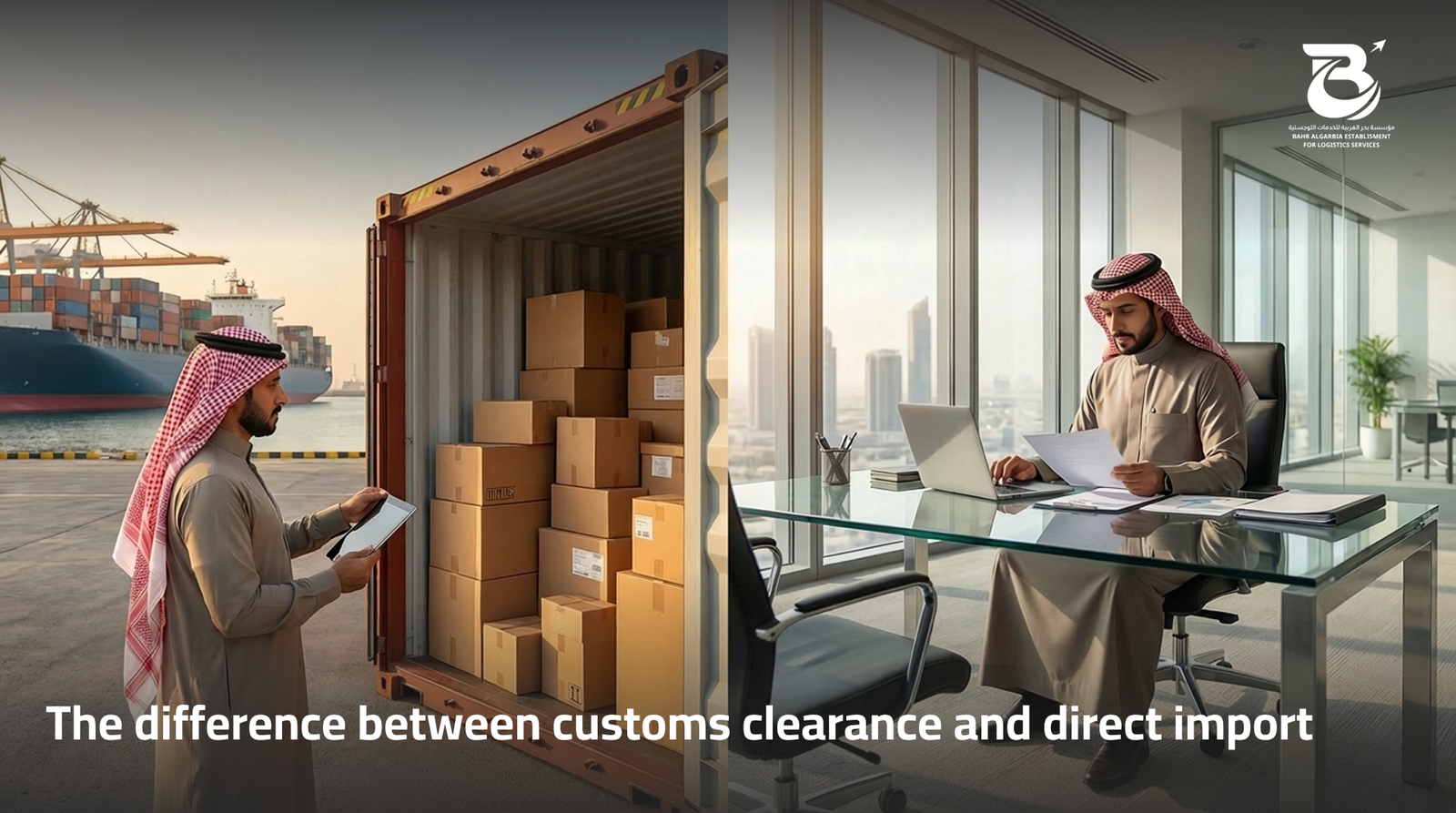
The difference between customs clearance and import
With the expansion of global trade, it has become important for traders to understand the procedures related to goods entering a country. Many people confuse the two. The difference between customs clearance and import Although they are two different stages—importing being the process of purchasing goods from abroad, while customs clearance is the legal procedure that allows those goods to enter the country—understanding this difference helps traders manage shipping better and avoid delays and unexpected costs.
This article will explain in detail the concept of customs clearance and direct import, the most important differences between them, the advantages and challenges of each, as well as the role of companies and stores such as [store name].wslTo facilitate these processes, please visit the website WSLTo learn more
What is customs clearance?
Customs clearance is a set of legal and administrative procedures that take place when goods enter or leave a country through border crossings such as seaports, airports, and land border crossings. These procedures aim to ensure that imported or exported goods comply with the laws and regulations in force in the country.
The process includes Customs clearance Official shipping documents, such as the commercial invoice, bill of lading, and certificate of origin, must be submitted, along with payment of applicable customs duties and taxes. Once these procedures are completed, the shipment is permitted entry into the local market or export to international markets.
This process is an essential part of international trade, as it ensures the protection of the local economy and regulates the movement of goods across borders.
What is direct importing?
Direct importing is when a merchant or company purchases products directly from a supplier or manufacturer in another country without a local intermediary. This type of importing relies on direct communication between the importer and the foreign supplier, giving the merchant greater control over prices and quality.
Many business owners and online retailers use direct importing to obtain products at lower prices compared to purchasing from local intermediaries. It also allows them to control the quality of the products and the quantities ordered.
However, direct importing requires a good knowledge of trade procedures and customs laws, as the importer is responsible for all stages of shipping, transportation and customs clearance.
The difference between customs clearance and import
When talking aboutThe difference between customs clearance and importIt should be understood that customs clearance is a procedural stage within the import process, while direct importing is a complete commercial process that begins with the purchase of the product and ends with its arrival to the importer.
In other words, direct importing includes all the steps related to purchasing goods from abroad and shipping them to the country, while customs clearance is the procedure that allows these goods to enter the country after they arrive at the customs port.
Understanding The difference between customs clearance and import It helps companies define roles and responsibilities at every stage of international trade.
Direct import stages
The direct import process involves several key stages, from selecting the supplier to the arrival of goods at the warehouses. Among the most important of these stages are:
- Supplier selectionThe import process begins with finding a reliable supplier in the exporting country. The importer must verify the quality of the products and the supplier’s reputation before finalizing the purchase.
- Negotiation and contract signingAfter selecting the supplier, prices, quantities, payment terms, and shipping are agreed upon. These agreements are then documented in a formal contract between the two parties.
- Shipping goodsAfter the products are manufactured or prepared, the supplier ships them to the importing country using various means of transport such as sea or air freight.
- Shipment arrives at the portUpon arrival of the shipment at the port, procedures begin.Customs clearanceWhich allows goods to enter the country legally.
This stage clearly explains The difference between customs clearance and import Customs clearance is one step in a long series of procedures that begin from the moment the product is purchased.
Customs clearance steps
The customs clearance process involves several key steps to ensure that goods enter the country legally and in an orderly manner.
Submitting documents
The importer must submit a set of documents such as:
- Commercial invoice
- bill of lading
- Certificate of origin
- packing list
These documents are used to determine the value, type, and country of origin of the goods.
- Customs declaration registrationA customs declaration is recorded containing details of the shipment, its value, and the type of goods imported.
- Shipment inspectionCustoms may inspect goods to ensure they match the information in the documents.
- Paying customs dutiesCustoms duties and taxes imposed on goods are calculated according to the approved customs tariff.
- Release of the shipmentAfter the procedures are completed, the shipment is released and allowed to be transported to warehouses or markets.
The importance of understanding the difference between customs clearance and importing
Understanding helps The difference between customs clearance and import Traders and business owners need to plan their import operations better.
When a trader realizes that customs clearance is a specific step within the import process, he can prepare the required documents in advance and deal with customs brokers more efficiently.
This understanding also helps to reduce errors that could lead to shipment delays or increased costs.
Advantages of direct import
There are many advantages that make direct importing a preferred option for many traders.
- Reducing costsWhen dealing directly with the factory or external supplier, the costs of intermediaries are eliminated, which helps to obtain better prices.
- Quality controlThe importer can choose products and specifications that suit the needs of the local market.
- Product varietyDirect importing provides access to a wide range of global products.
However, attention must be paid to the importance of proceduresCustoms clearanceTo ensure the entry of goods without legal problems.
Challenges that may face direct importing
Despite the numerous advantages of direct importing, there are some challenges that traders may face, such as:
- Differences in laws between countries
- The need to know shipping and customs clearance procedures
- Possibility of shipment delays
- Unexpected costs
Therefore, understanding The difference between customs clearance and import It helps to deal with these challenges more professionally.
The role of customs clearance companies
Customs clearance companies play a vital role in facilitating the movement of goods across borders, completing all customs procedures on behalf of the importer. These companies’ services include:
- Document preparation
- Submitting the customs declaration
- Customs inspection follow-up
- Paying fees and taxes
These companies also help to clarify The difference between customs clearance and import For new customers in the field of international trade.
The role of WSL in facilitating import processes
With the increasing reliance on e-commerce, stores and businesses need integrated solutions to manage shipping and import operations.
The store provideswslServices and information that help traders understand international trade procedures, including direct import and related processes.Customs clearance.
The store also works to help customers choose the right products and handle shipping operations in a professional manner that ensures goods arrive quickly and safely.
Important tips for new importers
If you are planning to start an import-based business, there are some tips to consider.
- Study the market thoroughlyBefore importing, it is necessary to ensure that there is demand for the product in the local market.
- Choosing a reliable supplierDealing with a reliable supplier reduces the likelihood of quality or delivery problems.
- Understanding Customs LawsIt is important to know the laws regarding imported goods to avoid problems during the process.Customs clearance.
The store helpswslTraders understand The difference between customs clearance and import And to facilitate shipping procedures andCustoms clearanceTo ensure that goods arrive quickly and without complications.
Questions raised by others about the difference between customs clearance and importing
What is customs clearance?
Customs clearance is a set of legal procedures that take place when goods enter or leave through border crossings, and includes submitting documents, inspecting the shipment, and paying customs duties to allow the goods to enter legally.
What is direct and indirect importing?
- Direct import:It is when a merchant buys products directly from the supplier or factory abroad without an intermediary.
Indirect import:It is the purchase of products through a local intermediary or company that imports on behalf of the merchant.