- By baket11sa@gmail.com
- January 25, 2026
- Uncategorized
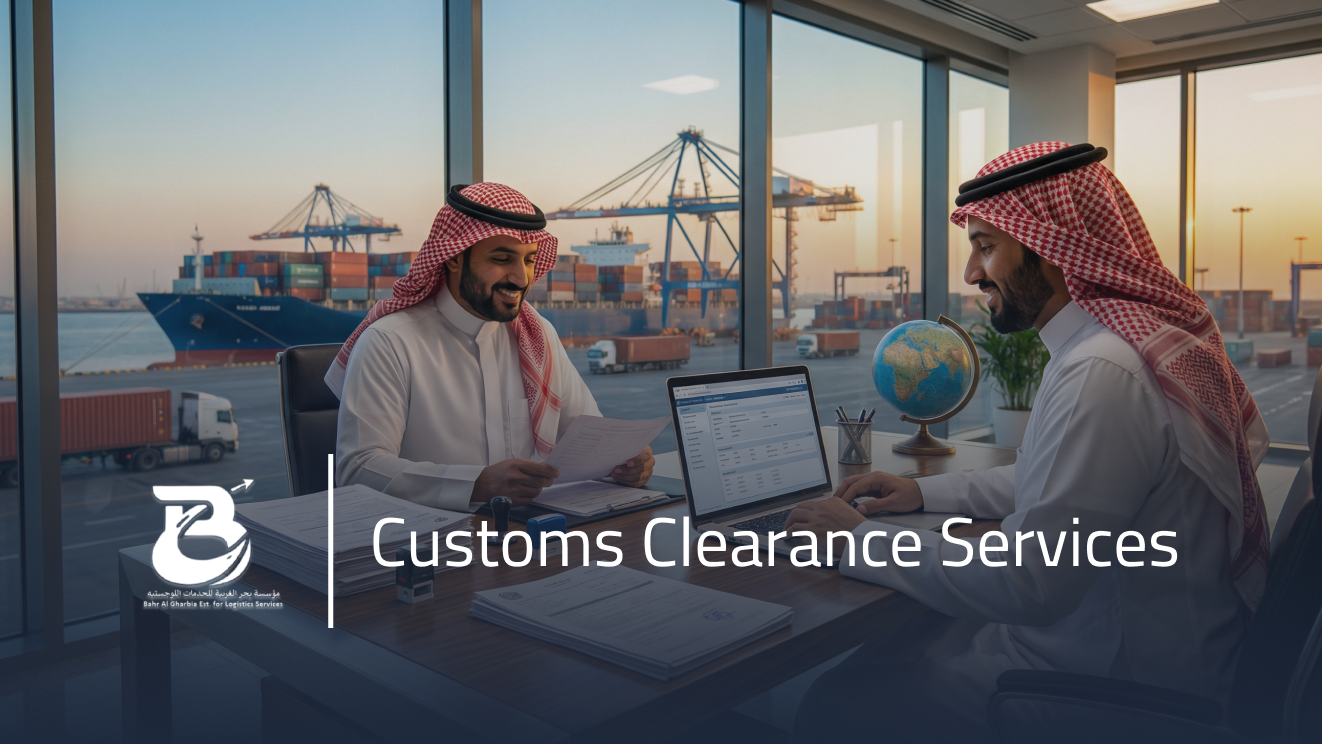
What are customs clearance services and government regulations?
In today’s fast-paced global marketplace, businesses and individuals often face complex challenges when importing or exporting goods. Delays, fines, or compliance issues can disrupt operations and impact profitability. This is where customs clearance services become invaluable, ensuring that shipments move across borders efficiently and legally. Understanding these services can save time, reduce costs, and prevent headaches in your international trade operations in WSL
What Are Customs Clearance Services?
Customs clearance services involve the preparation, submission, and management of all documentation required to facilitate the import and export of goods. These services ensure that your shipments comply with local laws, taxes, duties, and regulations.
A reliable customs clearance service provider handles several key tasks, including:
- Verification and preparation of import/export documentation
- Classification of goods according to global harmonized tariff codes
- Calculation and payment of applicable duties, taxes, and fees
- Coordination with customs authorities during inspections
- Ensuring compliance with trade regulations and restrictions
By outsourcing these tasks to professionals, businesses can focus on their core operations while avoiding costly mistakes.
Key Documents in Customs Clearance
To clear goods through customs, the following documents are typically required:
- Commercial Invoice: Details the value and description of the goods.
- Packing List: Provides information about the contents and packaging of the shipment.
- Bill of Lading (B/L): A transport document issued by the carrier.
- Certificate of Origin: Confirms the country of manufacture of the goods.
- Import/Export Licenses: Required for restricted goods, depending on the destination country.
Having these documents prepared accurately can prevent unnecessary delays at customs checkpoints.
Why Are Customs Clearance Services Important?
Efficient customs clearance is crucial for businesses that deal with international trade. Here’s why:
- Compliance with Laws: Non-compliance can result in fines, seizure of goods, or legal complications.
- Time Efficiency: Professional services help your shipments move faster through customs checkpoints.
- Cost Savings: Accurate documentation and correct duty calculations reduce the risk of unexpected fees.
- Expert Guidance: Experienced brokers navigate complex regulations, saving you from mistakes.
- Global Trade Advantage: Businesses that handle customs smoothly maintain a competitive edge in the global market.
By investing in customs clearance services, companies ensure seamless supply chain operations and maintain positive relationships with clients and suppliers.
What Are the Duties of a Customs Broker?
A customs broker acts as an intermediary between importers/exporters and government customs authorities. Their expertise ensures compliance with all regulatory requirements while facilitating smooth shipment clearance.
The primary duties of a customs broker include:
- Documentation Preparation: Preparing and submitting essential customs paperwork, including invoices, bills of lading, and certificates of origin.
- Tariff Classification: Classifying goods according to customs codes to determine applicable duties and taxes.
- Duty and Tax Calculation: Accurately calculating import/export duties and ensuring timely payments.
- Compliance Assurance: Ensuring shipments meet local regulations, trade agreements, and restrictions.
- Coordination with Authorities: Liaising with customs officials during inspections or audits.
- Problem Resolution: Handling disputes, delays, or issues that may arise during customs clearance.
Customs brokers simplify complex processes and act as a shield against penalties or shipment delays, making them essential partners in international trade.
Steps Involved in Customs Clearance
Understanding the customs clearance process can help you plan shipments more effectively. Here’s a typical workflow:
- Pre-Shipment Preparation: Ensure all documentation, obtaining permits for restricted goods , and licenses are ready.
- Shipment Arrival: The shipment reaches the customs port or airport.
- Submission of Documents: Customs brokers submit all required paperwork.
- Customs Assessment: Authorities review the documentation, classify goods, and calculate duties.
- Inspection (if needed): Certain shipments may undergo physical inspection.
- Duty Payment and Clearance: Duties and taxes are paid, and goods are cleared for delivery.
By following these steps systematically, businesses can minimize risks and ensure on-time delivery.
How to Choose the Right Customs Clearance Service
Selecting a reliable customs clearance provider is critical. Here are factors to consider:
- Experience and Reputation: Choose a broker with a proven track record in your industry.
- Global Network: Ensure they have relationships with customs authorities in all your shipping destinations.
- Technology and Tracking: Advanced software helps you track shipments in real-time.
- Customer Support: Responsive support helps resolve issues promptly.
- Cost Transparency: Clear pricing with no hidden fees ensures budget predictability.
Working with the right provider can reduce delays, prevent costly mistakes, and provide peace of mind for your business operations.
Tips to Streamline Customs Clearance
- Provide Accurate Documentation: Mistakes in paperwork are the leading cause of delays.
- Classify Goods Correctly: Misclassification can lead to higher duties or shipment rejection.
- Stay Updated on Regulations: Customs rules and trade agreements change frequently.
- Use Trusted Shipping Partners: Experienced logistics providers reduce the risk of clearance issues.
- Consider Customs Insurance: Protect your shipments against potential delays or losses.
Implementing these practices helps minimize disruptions in your international trade operations.
International shipping can be complex, but customs clearance services simplify the process. From preparing documentation to ensuring regulatory compliance, these services are essential for businesses importing or exporting goods. Understanding the duties of a customs broker and selecting the right provider can save time, reduce costs, and ensure smooth operations across borders.
By leveraging professional customs clearance services, businesses gain a competitive edge in the global market while avoiding costly mistakes that can impact their reputation and revenue.