- By baket11sa@gmail.com
- March 24, 2026
- Uncategorized
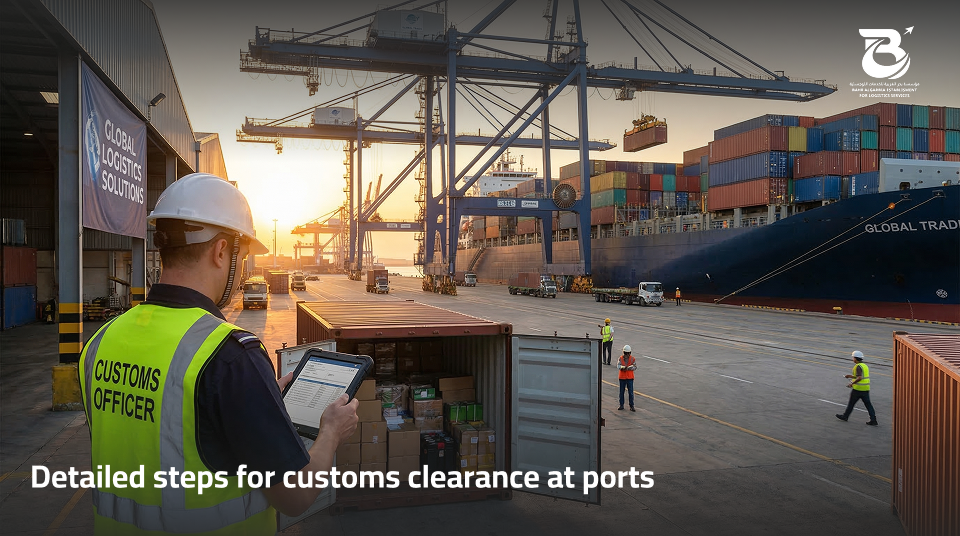
Detailed steps for customs clearance at ports
Customs clearance is a crucial stage in import and export operations, ensuring the legal entry and exit of goods in accordance with applicable regulations. With the increase in global trade, understanding this process has become increasingly important. Customs clearance steps This is essential for traders and companies to ensure the smooth and timely transport of goods. Knowing the required procedures and documents also helps entrepreneurs and e-commerce store owners expedite the import process and reduce costs.
In this article we will provide a comprehensive guide about Customs clearance steps With an explanation of the required documents and key tips to help companies and stores like [store name] wsl To manage shipping and import operations efficiently, visit the website WSLTo learn more
What is customs clearance?
Customs clearance is a set of procedures carried out at ports, airports, or border crossings to allow goods to enter or leave a country. These procedures include reviewing documents, inspecting shipments, and determining applicable customs duties and taxes.
The relevant customs authorities regulate this process to ensure that goods comply with local and international laws, and to guarantee the payment of applicable customs duties. Therefore, understanding Customs clearance steps It helps importers and exporters avoid problems and delays in delivering shipments.
Customs clearance procedures vary from country to country, but they often rely on the same basic principles such as submitting official documents, paying fees, and conducting customs inspections.
The importance of customs clearance in international trade
Customs clearance plays a vital role in facilitating trade between countries, ensuring that goods cross borders legally and in an orderly manner. It also helps protect local markets from prohibited or substandard products.
Understanding Customs clearance steps It saves companies a lot of time and costs, because any error in procedures could lead to delayed shipments or financial penalties.
For stores and businesses such as a store wsl Customs clearance is a crucial part of the supply chain, ensuring that products reach warehouses or customers on time and without problems.The difference between customs clearance and import .
Customs clearance procedures: steps and documents
When talking aboutCustoms clearance procedures: steps and documentsIt must be understood that the process depends on several successive stages that begin from the arrival of the shipment at the port until it is officially released from it.
This process requires preparing a set of important documents such as a commercial invoice, bill of lading, packing list, and certificate of origin. Some goods may also require additional permits from relevant authorities such as the Ministry of Health or other regulatory bodies.
The more complete and accurate the documents are, the faster the clearance process will be, and this is what companies and online stores like wsl To ensure the continuity of its business operations without delay.
Detailed steps for customs clearance
The customs clearance process involves several successive stages, and the following is a detailed explanation of the most important ones. Customs clearance steps Which most commercial shipments pass through.
Arrival of the shipment at the port or customs point
The customs clearance process begins upon the shipment’s arrival at the seaport, airport, or land border crossing. At this stage, the shipment’s arrival is registered with the relevant customs authorities, and an arrival notification is provided to the importer or their agent.
The importer or shipping company ensures that all Customs clearance documents The shipment is ready for customs clearance. What is it? The difference between seaports and airports.
Submission of customs documents
This stage is considered one of the most important Customs clearance steps The required documents are submitted to the customs authority for examination and review. These documents typically include:
- Commercial invoice
- bill of lading
- packing list
- Certificate of origin
- Any permits specific to goods
These documents are reviewed to ensure the accuracy of information such as the shipment’s value, the type of goods, and the country of origin.What is digital transformation?
Customs declaration registration
After the documents are submitted, the customs declaration for the shipment is registered, which is an official document containing all the details of the goods.
The customs declaration is used to determine the duties and taxes applicable to the shipment, and it is also used to classify goods according to the approved customs system.
Shipment inspection
In some cases, customs conducts a physical inspection of the shipment to ensure that it matches the information contained in the documents.
Inspection may be random or based on the nature of the goods. It is usually carried out using X-ray equipment or by opening the containers.
This stage is an important part ofCustoms clearance stepsTo ensure the safety of goods and their compliance with regulations to avoid Customs clearance errors
Determining customs duties and taxes
After reviewing the documents and inspecting the shipment, the customs duties and taxes due on the goods are determined. The value of the duties depends on several factors, such as:
- Type of goods
- country of origin
- Total value of the shipment
Fees are calculated according to the customs tariff adopted in the country.
Paying customs duties
After the fees are determined, the importer or his agent pays the required amounts to the customs authorities. In many countries, the payment process is now done electronically, which makes it easier to complete the procedures more quickly.
Release of the shipment
This stage is the lastCustoms clearance stepsThe shipment is released after all procedures are completed and fees are paid. After that, the goods can be moved to warehouses or distributed to markets or customers.
For commercial stores such as a storewslThe speed of shipment release helps to maintain product availability and meet customer demands quickly.
Documents required for customs clearance
The customs clearance process depends heavily on the availability of the correct documents, and among the most important of these documents are:
- Commercial invoiceIt is a document issued by the supplier and contains details of the goods such as price, quantity and total value.
- bill of lading It is a transport contract between the shipping company and the consignee, and contains details of the shipment and the means of transport.
- packing list It explains how the goods are packed inside the shipment and the number of boxes or containers.
- Certificate of originThe country where the goods were manufactured is established.
Tips to facilitate the customs clearance process
There are a number of tips that help to make it easierCustoms clearance stepsAnd to reduce delays in shipments.
- Verifying the authenticity of documentsAny error in the data may result in a shipment delay or the imposition of fines.
- Dealing with a professional customs brokerThe customs broker helps speed up procedures because he has extensive experience in dealing with customs systems.
- knowledge Customs clearance laws It is important to know the laws regarding imported goods to avoid problems.
The role of customs clearance companies
Customs clearance companies offer specialized services to help importers and exporters complete procedures quickly and efficiently. These services include:
- Document preparation
- Submitting the customs declaration
- Pay the fees
- Customs inspection follow-up
For stores and businesses such aswslRelying on a professional customs clearance company helps to reduce errors and speed up the import process.
Challenges that may be encountered in customs clearance
Despite the clarity of the procedures, some companies may face challenges such as:
- Delay in documents
- Errors in customs data
- Differences in laws between countries
- Additional inspection of shipments
However, understandingCustoms clearance stepsThis helps to reduce these challenges and deal with them easily.
The store helpswslTo facilitate shipping and import operations by clarifyingCustoms clearance stepsPreparing the necessary documents, which ensures that the goods arrive quickly and efficiently without complications.
Questions raised by others about customs clearance procedures
What are the steps for customs clearance?
includeCustoms clearance stepsIn short:
- The shipment arrives at the port or customs checkpoint.
- Submit the required documents to customs.
- Registering the customs declaration.
- Inspect the shipment if necessary.
- Determining customs duties and taxes.
- Paying customs duties.
- Release and receipt of the shipment.
What are the stages of customs clearance?
The customs clearance process consists of three main stages:
- Document submission stageAnd review it.
- The inspection and assessment phase of customs duties.
- The stage of paying fees and releasing the shipment.