Factory Transport May Be Public Operators
Factory transport is a critical component of the industrial supply chain, ensuring the smooth movement of raw materials, finished products, and equipment between factories, warehouses, and distribution centers. In many regions, factory transport may be managed or operated by public operators, who play an essential role in maintaining efficiency, safety, and reliability in industrial logistics.
The Role of Public Operators in Factory Transport
Public operators in factory transport are often established to serve both strategic and operational needs rather than purely commercial purposes. Their main objective is to provide organized and reliable transport solutions that support factory operations and industrial growth. By managing factory transport, public operators ensure that materials are delivered on time, reducing downtime and preventing production delays.
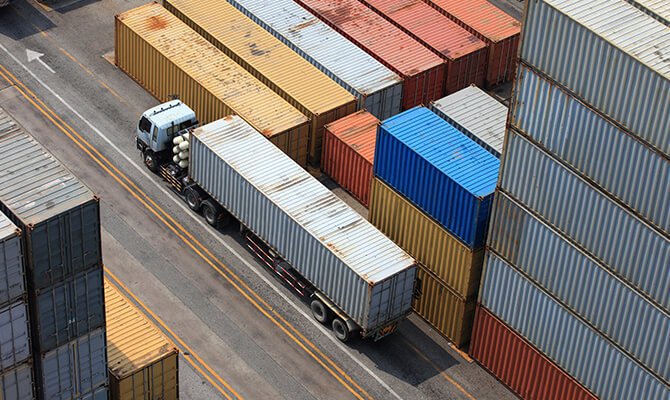
In some cases, public operators oversee transportation fleets, including trucks, trailers, and specialized vehicles, designed specifically for industrial needs. These operators often provide standardized procedures and safety protocols to guarantee that all goods are transported efficiently and securely. Their presence is especially important in sectors where supply chains are complex or involve hazardous materials.
Infrastructure and Management
Factory transport public operators are responsible for maintaining critical infrastructure such as loading docks, depots, industrial roads, and logistic hubs. Effective management of these facilities ensures smooth operations, reduces congestion, and minimizes the risk of accidents. Public oversight also helps in maintaining regulatory compliance and monitoring environmental standards in industrial transportation.
Additionally, public operators often invest in technology-driven solutions, such as fleet tracking, route optimization, and automated scheduling systems. These innovations enable factories to plan shipments better, reduce operational costs, and improve the overall efficiency of the supply chain.
Economic Significance of Factory Transport
Efficient factory transport has a direct impact on industrial productivity and economic growth. Public operators support factory operations by ensuring timely delivery of materials, which is essential for continuous production. This, in turn, enhances output, meets market demand, and improves profitability for industrial companies.
Furthermore, public factory transport operators create employment opportunities in logistics, maintenance, operations management, and transportation planning. By providing reliable transport solutions, they attract investment and support the development of industrial zones, boosting the overall economy.
Safety, Regulation, and Compliance
Safety is a major concern in factory transport, especially when transporting heavy machinery, raw materials, or hazardous substances. Public operators enforce strict safety standards and compliance with national and international regulations. This includes regular vehicle inspections, driver training, and monitoring of loading and unloading processes to prevent accidents and damage.
Regulatory oversight also ensures that factory transport operations follow environmental guidelines, including emission standards and waste management protocols. This helps industries maintain sustainable practices while minimizing the negative impact on communities and the environment.
Technology and Innovation in Factory Transport
Modern factory transport relies heavily on technological advancements. Public operators implement GPS tracking, real-time monitoring, automated scheduling, and warehouse integration systems to optimize transportation processes. These technologies improve efficiency, reduce delays, and enhance the reliability of factory transport operations.
Innovation also plays a key role in sustainability. Public operators increasingly invest in energy-efficient vehicles, electric trucks, and eco-friendly logistics solutions. These initiatives not only reduce environmental impact but also lower operational costs and improve the reputation of industrial companies that rely on public factory transport services.
Challenges Facing Public Factory Transport Operators
Despite their importance, public operators in factory transport face several challenges. Rising fuel costs, economic fluctuations, and infrastructure limitations can affect operational efficiency. Additionally, managing large fleets and complex industrial logistics networks requires constant investment in technology and workforce training.
Another challenge is adapting to increasing industrial demand and shorter production cycles. Public operators must continuously optimize routes, schedules, and operations to meet tight deadlines and maintain service quality.
The Future of Factory Transport Public Operators
The future of factory transport depends on public operators that can combine efficiency, reliability, and sustainability. Integrated logistics networks, technology-driven solutions, and environmentally friendly practices will define the next generation of industrial transportation services.
Collaboration between governments, private industries, and public transport operators will be essential to enhance factory transport systems. By leveraging innovation and maintaining strict safety standards, public operators will continue to play a vital role in supporting industrial growth and economic development.
In conclusion, factory transport managed by public operators ensures the smooth, safe, and efficient movement of materials and goods. Through strategic management, modern technology, and a focus on sustainability, public factory transport operators remain a cornerstone of industrial logistics worldwide.